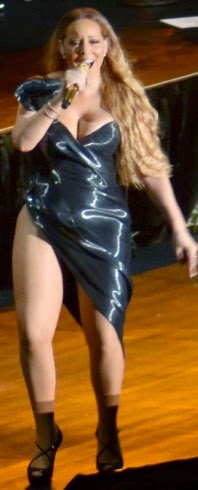
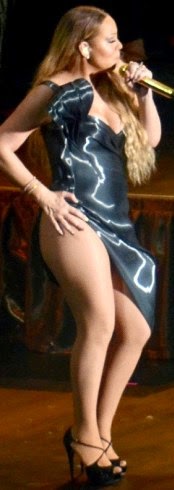
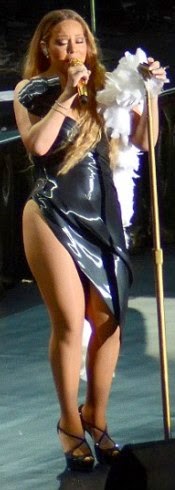
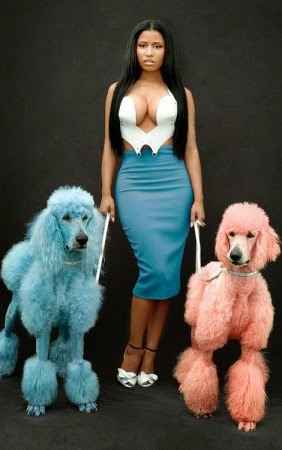
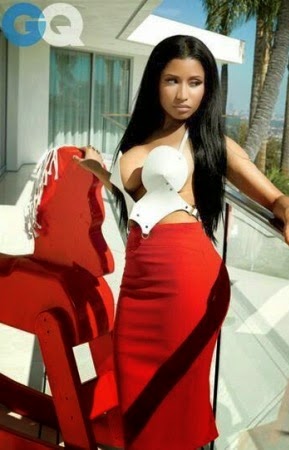
“I think the video is about what girls do. Girls love being with other girls, and when you go back to us being younger, we would have slumber parties and we’d be dancing with our friends. ‘She’ – Nicki’s character in the video – “is just talking about two guys that she dated in the past and what they’re good at and what they bought her and what they said to her. It’s just cheeky, like a funny story.”
“I’m chopping up the banana. Did you realize that? It’s always about the female taking back the power, and if you want to be flirty and funny that’s fine, but always keeping the power and the control in everything.”

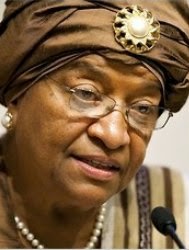
Liberia’s President, Ellen Johnson Sirleaf has written a heartfelt letter to the world over the Ebola crisis that hit her country. In the letter which was read over the radio and transmitted worldwide, she likened the Ebola epidermic to the civil war her country faced 11 years ago which killed a lot of Liberians, crumbled their economy and vital institutions.
The president called on the international community to stop all theoretical explanations on the Ebola crisis and act fast to stop the spread of the deadly virus. Find her letter Below
Dear World
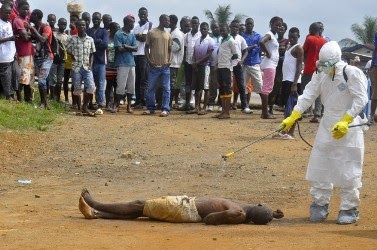
In just over six months, Ebola has managed to bring my country to a standstill. We have lost over 2,000 Liberians. Some are children struck down in the prime of their youth. Some were fathers, mothers, brothers or best friends. Many were brave health workers that risked their lives to save others, or simply offer victims comfort in their final moments.
There is no coincidence Ebola has taken hold in three fragile states – Liberia, Sierra Leone and Guinea – all battling to overcome the effects of interconnected wars. In Liberia, our civil war ended only eleven years ago. It destroyed our public infrastructure, crushed our economy and led to an exodus of educated professionals. A country that had some 3,000 qualified doctors at the start of the war was dependent by its end on barely three dozen. In the last few years, Liberia was bouncing back. We realized there was a long way to go, but the future was looking bright.
Now Ebola threatens to erase that hard work. Our economy was set to be larger and stronger this year, offering more jobs to Liberians and raising living standards. Ebola is not just a health crisis – across West Africa, a generation of young people risk being lost to an economic catastrophe as harvests are missed, markets are shut and borders are closed.
The virus has been able to spread so rapidly because of the insufficient strength of the emergency, medical and military services that remain under-resourced and without the preparedness to confront such a challenge. This would have been the case whether the confrontation was with Ebola, another infectious disease, or a natural disaster.
But one thing is clear. This is a fight in which the whole world has a stake. This disease respects no borders. The damage it is causing in West Africa, whether in public health, the economy or within communities – is already reverberating throughout the region and across the world.
The international reaction to this crisis was initially inconsistent and lacking in clear direction or urgency. Now finally, the world has woken up. The community of nations has realized they cannot simply pull up the drawbridge and wish this situation away.
This fight requires a commitment from every nation that has the capacity to help – whether that is with emergency funds, medical supplies or clinical expertise.
I have every faith in our resilience as Liberians, and our capacity as global citizens, to face down this disease, beat it and rebuild. History has shown that when a people are at their darkest hour, humanity has an enviable ability to act with bravery, compassion and selflessness for the benefit of those most in need.
From governments to international organisations, financial institutions to NGOs, politicians to ordinary people on the street in any corner of the world, we all have a stake in the battle against Ebola. It is the duty of all of us, as global citizens, to send a message that we will not leave millions of West Africans to fend for themselves against an enemy that they do not know, and against whom they have little defence.
The time for talking or theorizing is over. Only concerted action will save my country, and our neighbours, from experiencing another national tragedy. The words of Henrik Ibsen have never been truer: “A thousand words leave not the same deep impression as does a single deed


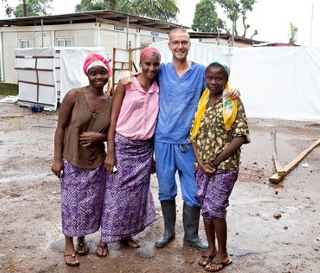
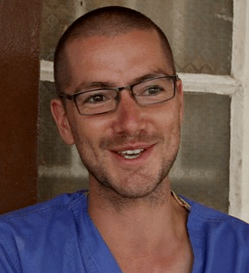
British nurse, Will Pooley who contracted Ebola while working in Sierra Leone, returned to the West African country today October 19th after being treated and cured of the deadly disease in the UK.
Williams said he couldn’t stand “idly by” and watch more people die of the disease when he could help and feels his decision to go back to Sierra Leone is the right one…
“I chose to go before and it was the right thing to do then and it’s still the right thing to do now.” he saidWilliams was airlifted from Sierra Leone to England on August 25th after contracting the disease. He will be resuming work tomorrow Monday October 20th at an Ebola Isolation Unit at the Connaught Hospital in Free Town, the Sierra Leone capital.
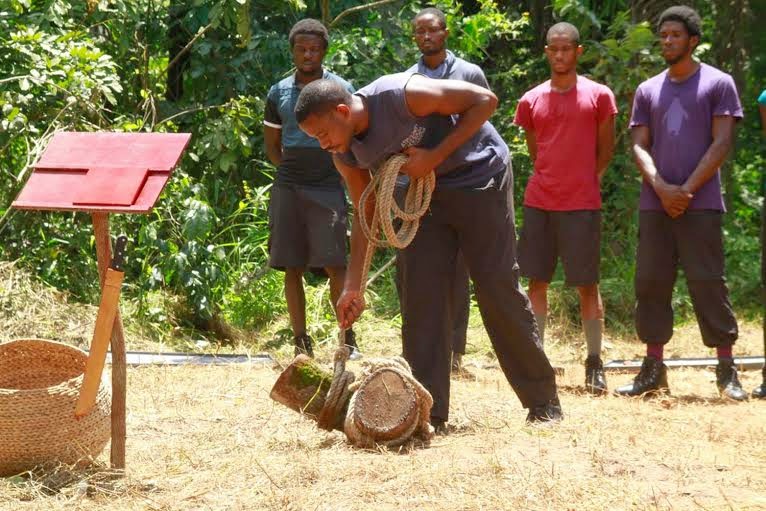
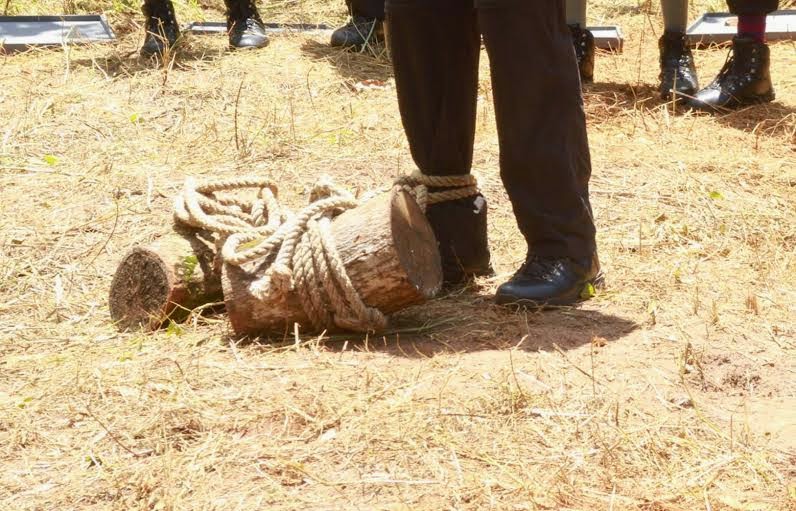
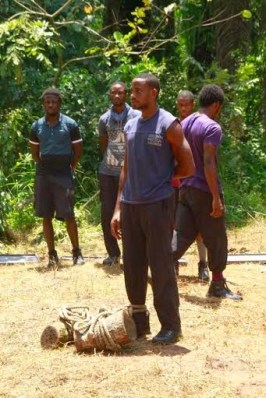
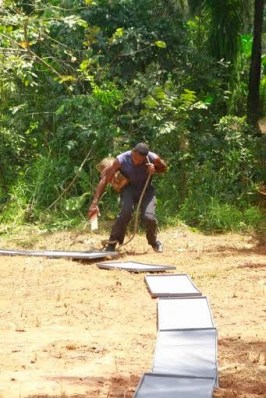
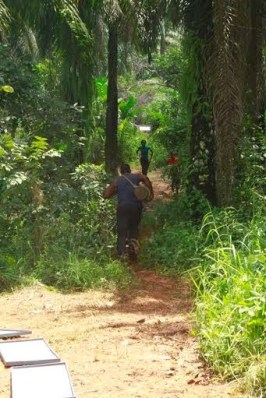
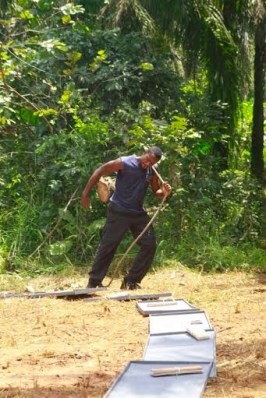
Ikenna Emedike fondly called Ikenna E became the first warrior to bear the stump of shame in GulderUltimate Search XI for disobedience. According to rules, the Stump of Shame should always be dragged around by the contestant serving punishment. In addition, the victim must not speak with anyone or being spoken to by anybody.
His excuse was because soldier ‘ants’ invaded the initial tents.
Ikenna .E had to carry the stump of shame. As the bearer he becomes an outcast in the camp till the next challenge.
Ikenna E delayed proceedings at the Task Area & Place of The Talking Drum as he had great difficulty dragging his Stump of Shame.


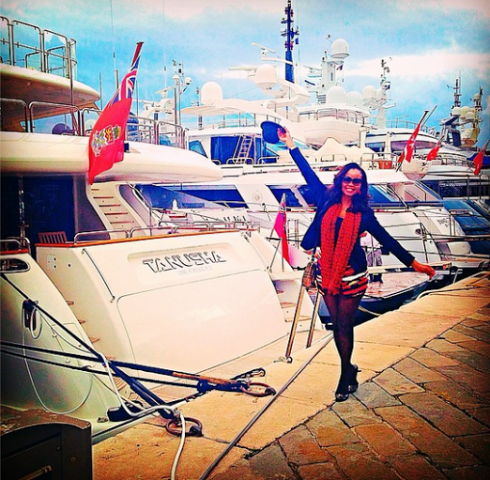
Nancy Abidiak a.k.a NANA is an outstanding, sensational R&B Diva who has won so many awards, she rocks and got energetic stage performing attitude.